 Reviews



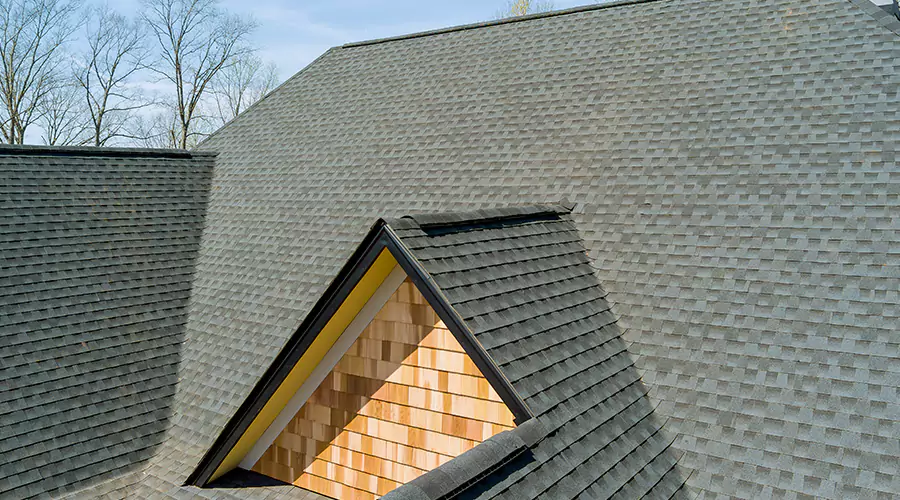
Strong winds can cause serious roof damage, especially when shingles become loose or completely detach from the roof surface. Missing shingles may seem like a small issue at first, but they can quickly expose your home to water intrusion, structural damage, mold growth, and costly repairs. Even a few missing shingles can weaken the integrity of the entire roofing system, especially in shingle roofing systems where each layer works together for protection.
Wind damage often occurs during thunderstorms, severe weather events, hurricanes, or seasonal storms. Homeowners who notice missing shingles after strong winds should act quickly to reduce the risk of additional damage. Understanding the causes, warning signs, and proper next steps can help protect your roof and home.
Why Wind Damages Roof Shingles?
Roof shingles are designed to resist weather exposure, but high winds can place significant pressure on roofing materials.
Strong winds may:
- Lift shingle edges
- Break adhesive seals
- Loosen nails
- Tear shingles away completely
- Expose underlayment and decking
Once shingles become loose, the surrounding shingles are often more vulnerable to additional wind damage.
Common Causes of Missing Shingles
Several factors can increase the risk of shingles blowing off during storms.
Aging Roofing Materials
Older shingles lose flexibility and become brittle over time.
Aging roofs may experience:
- Cracking
- Curling edges
- Weak adhesive strips
- Reduced wind resistance
Older roofing systems are generally more vulnerable during severe weather.
Poor Roof Installation
Incorrect installation can prevent shingles from sealing properly.
Installation problems may include:
- Improper nail placement
- Insufficient fastening
- Misaligned shingles
- Low quality materials
Poor workmanship often increases the chance of wind related roof damage.
Severe Weather Conditions
Strong storms with heavy wind gusts can lift shingles from the roof surface.
Weather events that commonly cause damage include:
- Thunderstorms
- Tornadoes
- Hurricanes
- Hailstorms
- Heavy rain and wind combinations
Roof Ventilation Problems
Improper attic ventilation may trap heat and moisture beneath roofing materials.
This can weaken shingles over time and reduce their ability to withstand strong winds.
Signs of Wind Damage on a Roof
Some roof damage is obvious, while other issues may be harder to identify from the ground.
Visible Exterior Signs
- Missing shingles
- Lifted shingle corners
- Loose roofing materials
- Shingle debris in the yard
- Exposed roof underlayment
- Bent flashing
- Damaged gutters
Interior Warning Signs
Wind damage can sometimes lead to water intrusion inside the home.
Look for:
- Ceiling water stains
- Damp attic insulation
- Mold or mildew smells
- Peeling paint near rooflines
- Water dripping during rainstorms
Interior moisture may indicate the roofing system has already been compromised.
Why Missing Shingles Should Never Be Ignored?
Missing shingles expose vulnerable roof areas to rain, moisture, and sunlight.
Ignoring the problem may lead to:
- Roof leaks
- Rotting roof decking
- Mold growth
- Structural weakening
- Higher repair costs
- Insulation damage
- Reduced energy efficiency
Water can quickly spread beneath surrounding shingles and damage larger sections of the roof.
What Homeowners Should Do After Shingles Blow Off?
Taking immediate action can help reduce additional roof damage.
1. Inspect the Damage Safely
Inspect the property from the ground if possible.
Look for:
- Missing roof sections
- Fallen shingles
- Damaged gutters
- Debris around the home
Avoid climbing onto the roof because storm damaged surfaces may be unsafe.
2. Document the Damage
Take clear photos of all visible damage.
Helpful documentation includes:
- Missing shingles
- Interior water stains
- Fallen debris
- Storm related damage around the property
Photos can help support insurance claims and repair estimates.
3. Protect the Interior of the Home
If water is entering the house, move furniture and belongings away from affected areas.
Temporary measures may include:
- Placing containers under leaks
- Using towels to absorb water
- Covering belongings with plastic sheeting
4. Schedule a Professional Roof Inspection
A roofing contractor can inspect the roof for visible and hidden storm damage.
Professional inspections may identify:
- Loose shingles
- Flashing damage
- Moisture intrusion
- Structural concerns
- Ventilation issues
Early repairs can help prevent more expensive future damage.
5. Contact Your Insurance Provider
Homeowners insurance may cover wind related roof damage depending on the policy.
Provide the insurance company with:
- Photos of damage
- Storm details
- Inspection reports
- Repair estimates
Prompt reporting may help simplify the claims process.
Roof Repair vs Roof Replacement
The best solution depends on the severity of the wind damage and the overall condition of the roof.
When Roof Repair May Be Enough?
Roof repair may work if:
- Damage is limited to a small area
- The roof is relatively new
- Surrounding shingles remain secure
- Structural components are undamaged
When Roof Replacement May Be Necessary?
Replacement may be recommended if:
- Large roof sections are damaged
- Multiple leaks are present
- The roof is near the end of its lifespan
- Widespread storm damage exists
- Roofing materials are deteriorating
A professional roofing contractor can determine the most effective long term solution.
How Roof Inspections Help After Wind Damage?
Some wind damage may not be visible immediately.
Professional roof inspections can help identify:
- Hidden moisture damage
- Loose flashing
- Weak shingles
- Ventilation problems
- Structural deterioration
Routine inspections after storms help homeowners address small problems before they become severe.
Tips to Help Prevent Future Wind Damage
Although storms cannot be prevented, homeowners can take steps to improve roof durability.
Schedule Regular Roof Maintenance
Routine inspections help identify weak roofing materials early.
Replace Aging Shingles
Older shingles are more likely to fail during strong winds.
Improve Roof Ventilation
Balanced attic airflow helps reduce heat and moisture damage.
Secure Loose Flashing
Flashing around chimneys and vents should remain tightly sealed.
Keep Gutters Clean
Proper drainage helps reduce moisture related roof deterioration.
Trim Nearby Trees
Overhanging branches may damage roofing materials during storms.
Final Thoughts
Missing shingles after wind damage should always be taken seriously because even small exposed areas can lead to leaks, moisture intrusion, and structural problems. Quick action after a storm can help reduce repair costs and prevent further damage to your home.
Professional roof inspections, regular maintenance, and timely repairs are important for protecting roofing systems from severe weather. Addressing wind damage early can help homeowners extend roof lifespan, improve home protection, and avoid larger issues.